
How We Engage
How Clavon engages with enterprise clients — the principles, the process, and what we do not take on
Clarity upfront protects both sides.
Why This Page Exists
Most organizations treat engagement as an informal process:
- •A contact form
- •A call
- •A proposal
- •A project
The result is misalignment:
- Different expectations
- Unclear ownership
- Scope drift
- Friction before value is created
CLAVON publishes its engagement model because:
Serious work requires shared understanding
Not every request should proceed
Structure improves outcomes
This page is part of our governance—not marketing.

Engagement Boundaries
What We Engage On
CLAVON engages where:
- The problem is non-trivial
- Quality, security, or compliance matter
- Systems must operate long-term
- Ownership and accountability are valued
- Regulated delivery environments where validation and governance are requirements
- Organisations in Life Sciences, MedTech, pharma, and specialty chemicals
- Multi-stakeholder programmes with quality, regulatory, and operations involvement
Typical engagement contexts include:
- •Complex digital initiatives
- •Platform builds and modernization
- •Validation-heavy or regulated environments
- •Execution-critical ventures
What We Do Not Engage On
We typically do not engage where:
- Speed is valued over correctness
- Documentation and governance are optional
- Responsibility ends at delivery
- The objective is unclear or purely speculative
Clarity here prevents wasted time on both sides.
How Engagements Begin
CLAVON has defined entry paths, depending on intent:
Business / Enterprise Inquiry
For organizations seeking delivery, integration, or transformation
Labs / Idea Submission
For ideas requiring validation and engineering discipline
Venture / Partnership Inquiry
For scale, capital alignment, or strategic collaboration
Talent / Community Application
For individuals seeking to participate in the ecosystem
Each path routes to a different evaluation flow.
From First Contact to Active Engagement
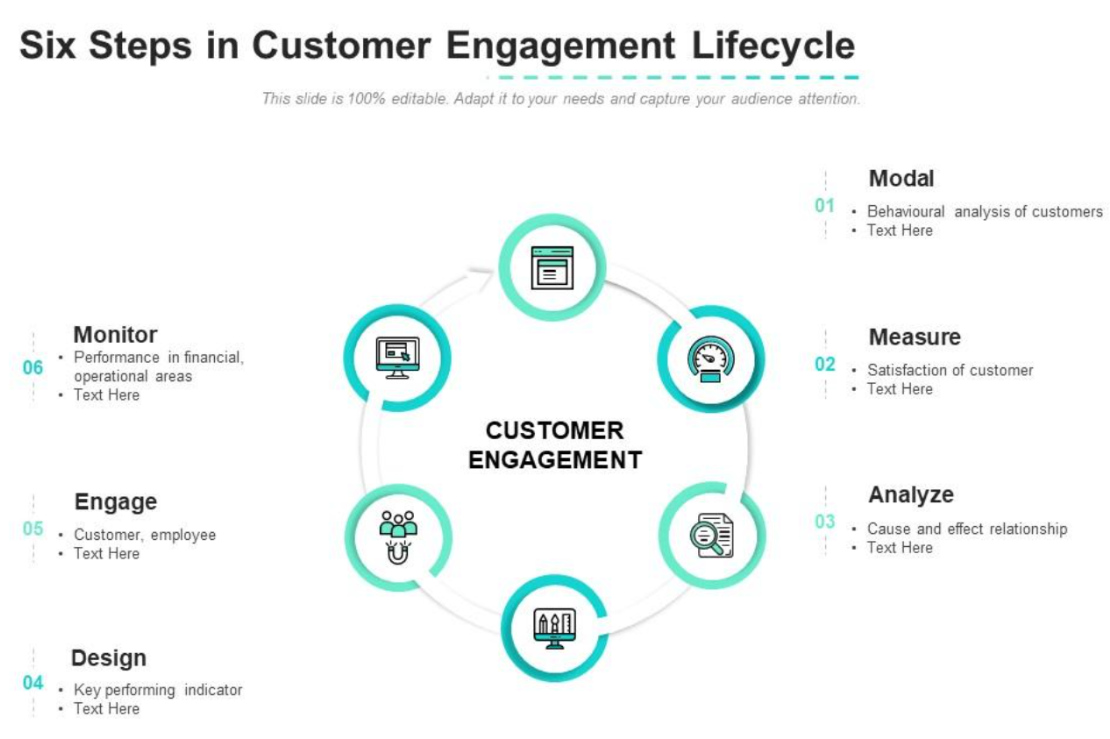
Below is the standard lifecycle for client and partner engagements.
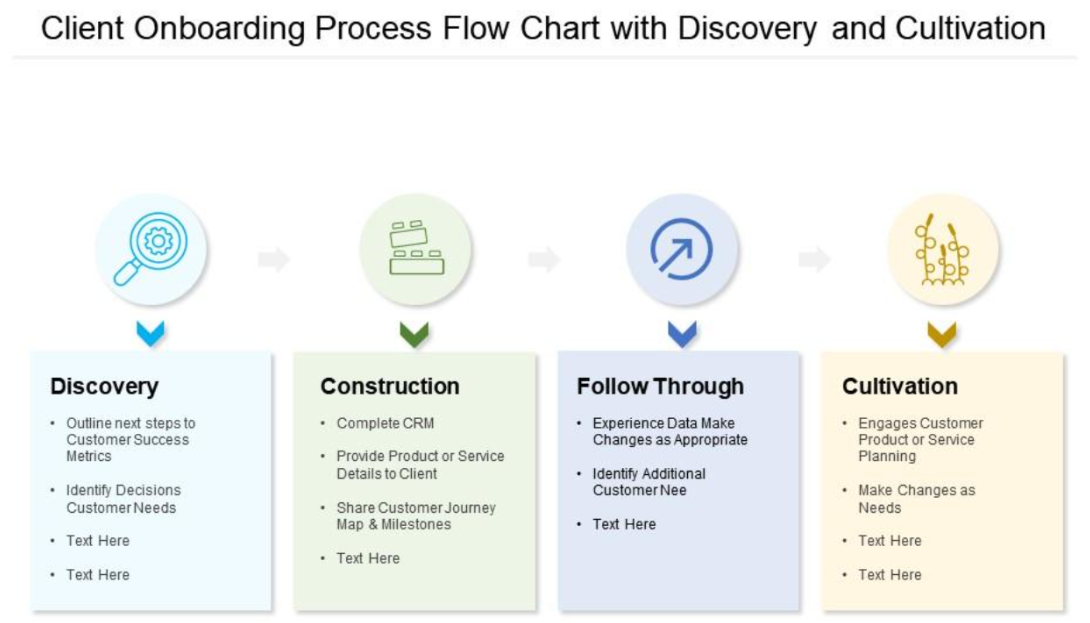
Initial Context Review
We review:
- •The stated problem
- •Context and constraints
- •Maturity of thinking
At this stage, we assess fit, not scope.
Outcome: Proceed to discovery, Request clarification, Or decline respectfully
Structured Discovery
This may include:
- •Problem reframing
- •Stakeholder alignment
- •High-level system thinking
- •Risk and complexity assessment
Discovery is not a sales call. It is an analytical exercise.
Outcome: A shared understanding of what problem is being solved
Engagement Definition
Only after discovery do we define:
- •Engagement model
- •Scope boundaries
- •Responsibilities
- •Governance and quality expectations
This is where misalignment is eliminated and assumptions are documented.
Outcome: A clearly defined engagement frame
Commitment & Mobilization
Once both sides commit:
- •Teams are mobilized
- •Governance structures are activated
- •Delivery or validation begins
Outcome: CLAVON does not "start and see how it goes"
Ongoing Governance & Review
Throughout the engagement:
- •Progress is reviewed
- •Risks are surfaced
- •Adjustments are made deliberately
Outcome: Governance does not stop after kickoff
Decision Discipline
CLAVON decisions are guided by:
- Technical feasibility
- Operational reality
- Risk exposure
- Long-term impact
We explicitly assess:
- What happens if this scales
- What happens if this fails
- Who owns the outcome
If these questions cannot be answered, the engagement pauses.
What CLAVON Owns, What You Own
CLAVON Typically Owns:
- System design and execution discipline
- Quality and validation frameworks
- Documentation and traceability
- Delivery governance
Clients / Partners Typically Own:
- Business direction and priorities
- Stakeholder alignment
- Timely decision-making
- Organizational adoption
Successful engagements require shared responsibility, not delegation.
How We Communicate
CLAVON communication is:
- Structured
- Documented
- Transparent
Expect:
- Clear updates
- Honest risk discussions
- No surprises hidden behind optimism
Silence is treated as a risk signal—not a courtesy.
Respectful Decline Is Part of Integrity
CLAVON may decline an engagement if:
- The problem is poorly defined
- Constraints prevent responsible execution
- Expectations conflict with standards
- Risk cannot be governed
A "no" protects:
- The client
- CLAVON
- The outcome
We would rather decline early than fail later.
How to Prepare
To make initial conversations productive:
- Be clear about the problem, not just the solution
- Identify constraints and non-negotiables
- Acknowledge risk and uncertainty
- Be open to reframing
Preparation accelerates alignment.
Serious Work Begins With Shared Understanding
CLAVON engagements are designed to reduce ambiguity, manage risk, and deliver outcomes that hold over time.
If you are ready for a disciplined, transparent, and accountable engagement, CLAVON is prepared to have that conversation.